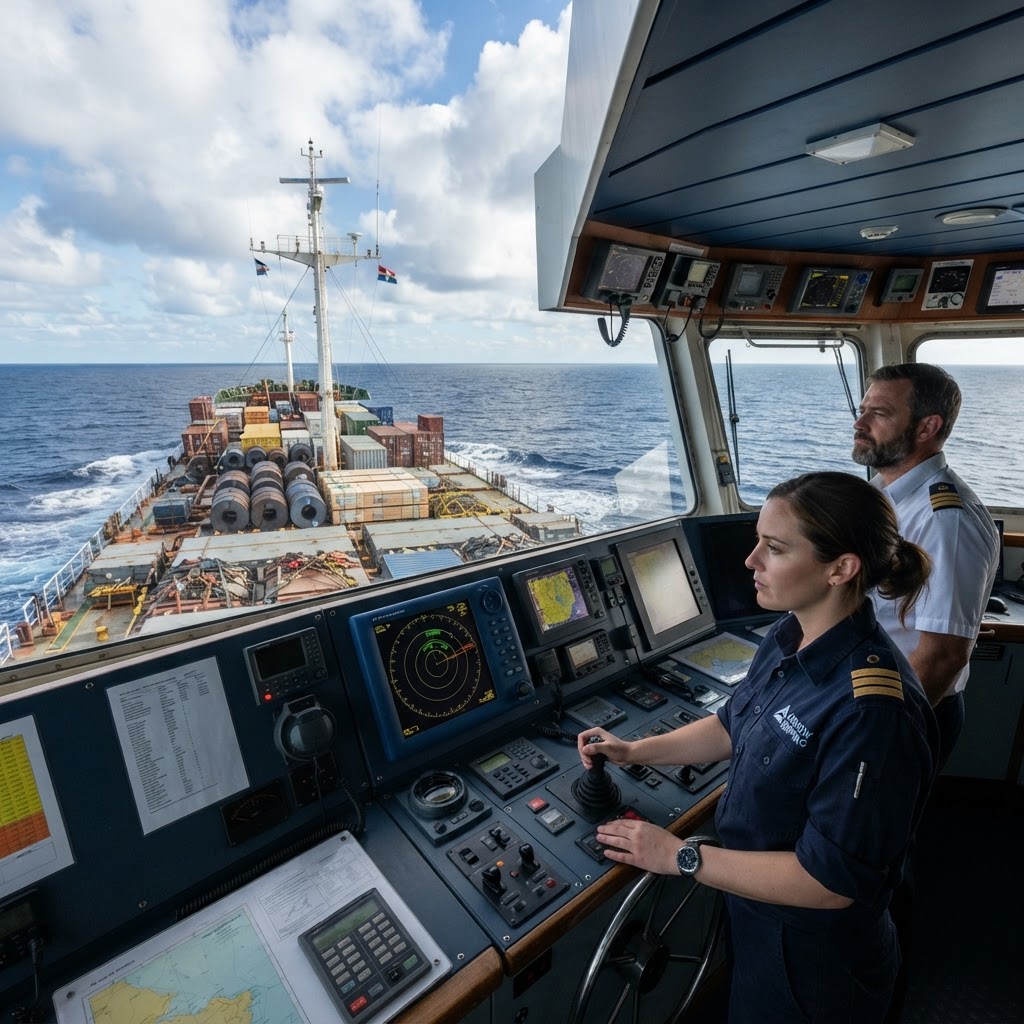
Heavy Lift Operations: What Must You Check Before Using a Crane? MCA Oral Exam Guide
Direct Answer: The Golden Rule of Heavy Lifting
When asked during your OOW oral exam or Chief Mate assessment about the most critical step before commencing heavy lift operations, the examiner is looking for a concise, precise answer: You must verify the crane's Safe Working Load (SWL) against the actual weight of the cargo, including any associated rigging, spreader beams, and lifting gear. Ignoring this fundamental check is considered a major safety failure and, in an oral examination setting, could lead to an immediate failure.
Why This Question is Critical for Your MCA Oral
The MCA oral examiner focuses on this question because heavy lift operations represent a high-risk activity where the margin for error is non-existent. For an Officer of the Watch or a Chief Mate on vessels up to 3000GT or Unlimited tonnage, understanding the limitations of shipboard lifting appliances is not just about passing an exam; it is a legal and safety requirement under the Code of Safe Working Practices (COSWP).
If you are asked this question, do not simply say "check the SWL." You must demonstrate that you understand the holistic nature of the lift. The examiner wants to see that you are considering the entire lifting assembly, not just the cargo itself.
Key Factors to Consider Beyond the SWL
While the SWL vs. Cargo weight is the primary answer, a high-scoring candidate will elaborate on the surrounding safety protocols. When conducting heavy lifts, consider these essential elements:
1. The Lifting Gear Register
Every piece of lifting equipment—shackles, wires, webbing, and spreader beams—must be certified, color-coded, and recorded in the Ship's Lifting Gear Register. Never use gear that is out of date for inspection or that lacks a valid certificate.
2. Radius and Capacity
Remember that the SWL of a crane is often dynamic. A crane's capacity changes based on its outreach (the radius from the pedestal). If you extend the jib further, the SWL decreases. Ensure you consult the Load Chart for the specific radius you intend to operate at.
3. Vessel Stability
Heavy lifts significantly affect your vessel's stability. A large weight suspended from a crane acts as a point load at the head of the jib, which raises the vessel's Center of Gravity (KG) and reduces the Metacentric Height (GM). Before the lift, check the ship's stability condition to ensure that the heeling movement will not exceed safety parameters.
Practical Examples and Common Pitfalls
The "Rigging Weight" Trap
A common mistake candidates make is accounting for the cargo weight but forgetting the weight of the "below-the-hook" equipment. If your cargo weighs 10 tonnes and your spreader beam and chains weigh 0.5 tonnes, your total load is 10.5 tonnes. If the crane SWL is 10 tonnes, you have already exceeded the limit.
Environmental Factors
Never ignore the weather. Even if the weight is well within the crane's SWL, excessive rolling or pitching caused by sea state or swell can induce "dynamic loading." Dynamic loads can multiply the effective weight of the cargo, causing a catastrophic failure of the crane or gear even if the static weight is within limits.
Checklist for the Officer in Charge
If you are the OOW supervising a heavy lift, follow this mental checklist:
- Verify SWL: Match the crane capacity at the required radius against the total weight of cargo + rigging.
- Inspect Gear: Visual check for kinks, frays, corrosion, or deformation in wires and chains.
- Stability Assessment: Consult the Chief Officer or the stability computer to ensure the ship can handle the heeling moment.
- Communication: Establish a clear signal system between the crane driver, the person in charge of the lift, and the deck team.
- Clearance: Ensure the area is cordoned off and all non-essential personnel are kept clear of the "drop zone."
Conclusion: Key Takeaways
For any candidate preparing for their Officer of the Watch or Chief Mate oral, remember that the examiner is testing your ability to prioritize safety. When asked about heavy lift operations, your first priority is always the Safe Working Load.
By ensuring you verify the weight against the crane's load chart, account for all rigging, and maintain a focus on stability and environmental conditions, you demonstrate the competency required for a high-level maritime certificate. Always be prepared to explain not just what you check, but why you are checking it. Safe lifting is a systematic process—never skip a step.