How Does Corrosion Impact Dry Dock Intervals? MCA Oral Exam Guide for OOW and Chief Mate
The Direct Answer: Understanding Corrosion and Dry Dock Intervals
When faced with the question, "What is the impact of increased corrosion rates on the dry dock inspection interval as per MCA recommendations?" in your MCA oral exam, the examiner is looking for a concise, technical response. The primary impact of increased corrosion rates is the necessity to shorten the interval between dry dock inspections to frequently assess, monitor, and remediate structural integrity.
By increasing the frequency of inspections, the vessel manager and the Master ensure that the structural integrity of the ship is not compromised by excessive steel wastage beyond the allowable limits set by the Class society and the MCA.
Why This Question Matters for Your MCA Oral Exam
For an Officer of the Watch (OOW) or a candidate aiming for a Chief Mate Unlimited ticket, understanding dry dock intervals is not merely about scheduling—it is about the fundamental safety of the vessel. Examiners use this question to determine if you understand the correlation between environmental conditions, maintenance regimes, and regulatory compliance.
In the context of the OOW oral exam or Chief Mate assessment, demonstrating that you understand that the dry dock schedule is not a static 2.5-year or 5-year requirement, but rather a dynamic plan based on the ship's condition, is crucial. If you are operating a vessel under 3000GT or an Unlimited tonnage vessel, the principles of maintaining hull integrity remain the same.
The Technical Relationship: Corrosion and Structural Integrity
Corrosion is the silent enemy of the maritime professional. It is the electrochemical degradation of the hull steel, exacerbated by factors such as:
- Galvanic action: Different metals interacting in a conductive electrolyte (seawater).
- High-temperature environments: Accelerated chemical reactions in tropical climates.
- Cargo types: Chemicals or bulk cargoes that are acidic or corrosive in nature.
- Inadequate ballast water management: Poorly maintained ballast tank coatings leading to severe localized pitting.
The Role of the Surveyor
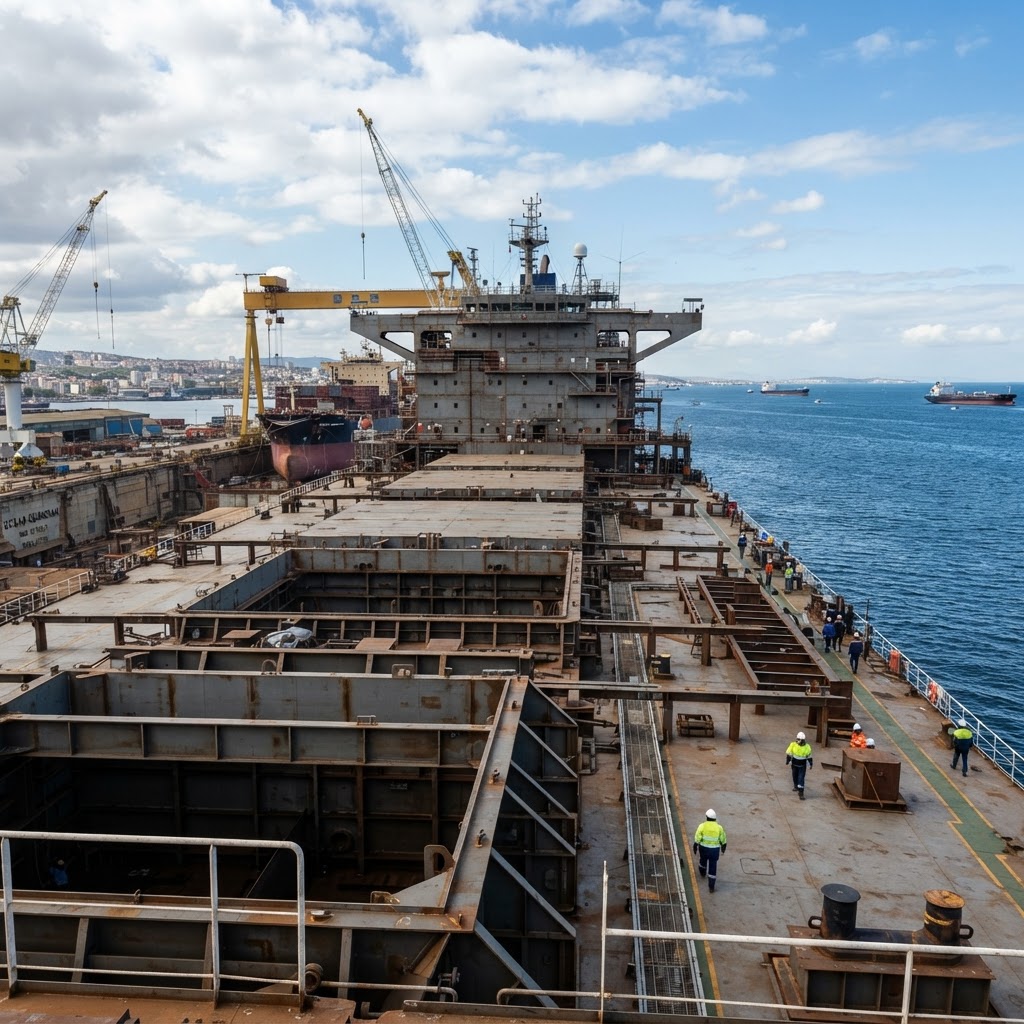
When a vessel is dry-docked, the Class Surveyor inspects the hull, sea chests, and appendages. If they detect excessive corrosion, they will report it. If the corrosion is approaching the limit of the vessel's longitudinal strength requirements, the MCA and Class may demand a 'special survey' or a shortened interval to ensure the ship remains seaworthy.
Common Pitfalls in the Oral Exam
Candidates often make the mistake of reciting a standard interval (e.g., "every five years") without acknowledging the nuances. Here are common pitfalls:
- Sticking to a Fixed Date: Never suggest that dry-docking is purely based on a calendar. Always preface your answer with the phrase, "subject to the condition of the vessel and Class recommendations."
- Ignoring Coatings: A candidate should mention that maintenance of the anti-corrosive coating (epoxy paint systems) is the primary method of defense. If the coating fails, the dry dock interval is effectively compromised.
- Forgetting Sacrificial Anodes: Be prepared to discuss the inspection and replacement of sacrificial anodes during dry dock. If these anodes are depleted, the corrosion rate increases significantly, triggering the need for more frequent inspections.
Exam Tips for Success
- Use Professional Terminology: Use words like wastage, longitudinal strength, pitting, cathodic protection, and Class requirements.
- Relate to Safety Management System (SMS): Mention that the vessel’s SMS should include a planned maintenance system (PMS) that monitors coating condition. This shows you are a proactive officer.
- Stay Calm: If the examiner pushes you on why the interval is shortened, emphasize the risk of structural failure and the loss of commercial seaworthiness.
Conclusion: Key Takeaways
To pass this segment of your MCA oral exam, remember these core principles:
- Proactive vs. Reactive: Shortened dry dock intervals are a proactive safety measure, not a punishment.
- Regulatory Power: The MCA and Class have the authority to shorten intervals if they deem the structural integrity to be at risk due to corrosion.
- Communication: As an Officer of the Watch or Chief Mate, your role is to report observations of corrosion to the Master, who ensures that the structural records are kept updated.
By framing your answer around the safety-critical nature of the hull and the flexibility of the inspection regime, you demonstrate to the examiner that you are ready for the responsibilities of the higher-ranking certificates you are pursuing.