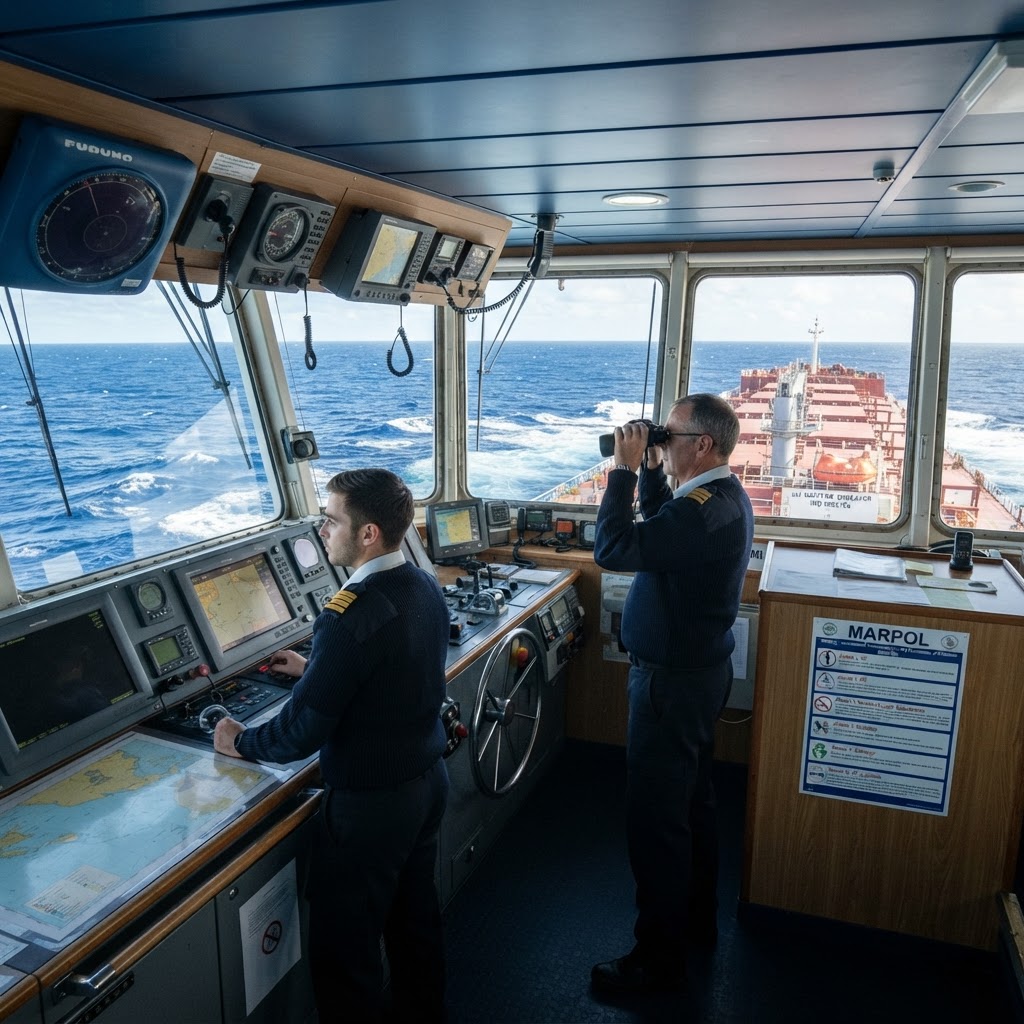
What is MARPOL Annex III? Essential MCA Oral Exam Guide for OOW and Chief Mate
Understanding MARPOL Annex III for Your MCA Oral Exam
In the context of your OOW oral exam or Chief Mate assessment, when an examiner asks, "What is Annex III of MARPOL?", the precise, expected answer is: "Prevention of Pollution by Harmful Substances in Packaged Form."
While Annex I (Oil) and Annex II (Chemicals in bulk) often dominate discussions regarding pollution, Annex III is a critical component of the maritime regulatory framework. It deals specifically with the prevention of pollution by harmful substances carried by sea in packaged form. As a candidate aiming for an Unlimited license or 3000GT certification, you must demonstrate a clear understanding of how these regulations interface with the International Maritime Dangerous Goods (IMDG) Code.
Why Annex III Matters to the Examiner
The examiner is looking to verify that you understand that 'pollution prevention' extends far beyond fuel oil or ballast water management. They want to see if you appreciate that substances, when carried in drums, tanks, or portable containers, pose a unique threat to the marine environment if lost overboard or damaged.
The Relationship Between Annex III and the IMDG Code
Annex III is relatively short compared to other annexes because it mandates compliance with the IMDG Code. For the oral board, you should explain that:
- Annex III provides the legal mandate: It states that the carriage of harmful substances is prohibited except in accordance with the provisions of the annex.
- The IMDG Code provides the technical detail: The Code outlines the exact requirements for packing, marking, labelling, documentation, stowage, and quantity limitations.
Key Requirements for Compliance
To pass your MCA oral board, you must be able to articulate how the ship complies with these standards on a daily basis.
1. Packaging
Packaging must be adequate to minimize the hazard to the marine environment, having regard to the specific contents. The criteria for defining a 'Marine Pollutant' are clearly laid out in the IMDG Code.
2. Marking and Labelling
Packages containing a marine pollutant must be durably marked with the correct technical name and the 'Marine Pollutant' mark (the dead fish and tree symbol). This is vital for the Officer of the Watch when conducting deck rounds; if you see a damaged drum or container leaking, you need to know exactly what is inside to respond appropriately.
3. Documentation
Any shipping document relating to the carriage of harmful substances must include a certificate or declaration that the consignment is properly packaged and marked. As a Chief Mate, ensuring these documents are in order is a primary responsibility during the pre-loading phase.
4. Stowage
Proper stowage is essential to prevent accidental release. Substances must be stowed to minimize the hazard to the marine environment, considering the structural integrity of the ship and the potential for heavy weather.
Common Pitfalls and Exam Tips
Candidates often fail this question by confusing Annex III with Annex II (Chemicals in Bulk). Remember: Annex II is for bulk; Annex III is for packaged form.
- Exam Tip: If the examiner asks, "How do you know if a substance is a marine pollutant?" do not just say 'the IMDG Code'. Mention the Safety Data Sheet (SDS) and the Dangerous Goods Declaration.
- Practical Example: If you are the OOW and notice a container labeled as a Marine Pollutant is damaged during heavy weather, your first step is to inform the Master, consult the Emergency Response Procedures for Ships Carrying Dangerous Goods (EmS Guide), and assess the risk of spill or release.
- Terminology: Use the term 'Harmful Substances' correctly. These are substances identified as marine pollutants in the IMDG Code or which meet the criteria in the Appendix of Annex III.
Reporting Requirements
Under MARPOL, you are required to report any incident involving the actual or probable discharge of harmful substances. If you are asked about your reporting duties, reference Article 8 and Protocol I of MARPOL. This applies to any package lost overboard that contains a harmful substance. You must report this to the nearest coastal state without delay.
Conclusion: Key Takeaways
To excel in your oral exam, keep these points in mind:
- Define it simply: Prevention of pollution by harmful substances in packaged form.
- Link to IMDG: Annex III requires strict adherence to the IMDG Code for all aspects of transport.
- Recognize the Markings: Be prepared to describe the 'Marine Pollutant' symbol if prompted.
- Know your duty: As an officer, you are responsible for monitoring the condition of dangerous goods stowage and reporting any loss or damage immediately.
Understanding Annex III is not just about passing an exam; it is about protecting the marine environment from the specific risks posed by containerized hazardous materials. Master this, and you demonstrate the professional competence expected of a senior deck officer.